
The Fault Diagnosis and Troubleshooting Skills of Deutz 1013 Engine: Let You Easily Deal with Various Problems
The Fault Diagnosis and Troubleshooting Skills of Deutz 1013 Engine: Let You Easily Deal with Various Problems
Deutz 1013 engines are known for their reliability, but like any mechanical system, they may experience occasional issues. Being equipped with fault diagnosis and troubleshooting skills will enable you to identify and resolve problems efficiently.
Fault Diagnosis Techniques
Accurate fault diagnosis is crucial for determining the root cause of an issue and implementing the appropriate solution. Here are some fault diagnosis techniques for Deutz 1013 engines:
1. Visual Inspection
Conduct a visual inspection of the engine and its components to identify any obvious signs of damage, loose connections, or leaks. Look for loose wires, worn-out belts, damaged hoses, or fluid leaks. Pay attention to any abnormal sounds, smoke, or vibrations during engine operation.
2. Error Code Analysis
Deutz 1013 engines are equipped with an electronic control system that can generate error codes when a fault occurs. Use a diagnostic tool or interface to retrieve the error codes and analyze their meanings. The error codes will provide valuable information to narrow down the potential causes of the issue.
3. Data Logging and Analysis
Modern Deutz 1013 engines are capable of data logging, which records various engine parameters during operation. Analyze the logged data to identify any abnormalities or deviations from normal operating conditions. Look for patterns or trends that may indicate specific issues or malfunctions.
4. Functional Testing
Perform functional tests on various engine components and systems to assess their performance. This may involve checking fuel pressure, inspecting sensors, testing electrical connections, or measuring voltages and currents. Compare the test results with the specifications provided by the manufacturer to identify any discrepancies or malfunctions.
5. Consultation and Documentation
Our customer service team is available 24/7 to answer your questions and help you with any problems you may have. They can also provide you with information about our products and services, and help you find the right product for your needs.
Troubleshooting Common Issues
Once you have diagnosed the fault, it's time to troubleshoot and resolve the issue. Here are some common problems that may occur with Deutz 1013 engines and their corresponding troubleshooting methods:
1. Engine Won't Start
Check the fuel system for sufficient fuel supply and ensure the fuel filters are not clogged.
Verify that the battery has enough charge and that the starter motor is functioning correctly.
Inspect the ignition system for spark and ensure the spark plugs are in good condition.
Check for any air intake restrictions or blocked air filters that may impede airflow.
2. Engine Misfires or Runs Roughly
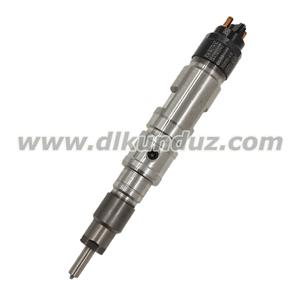
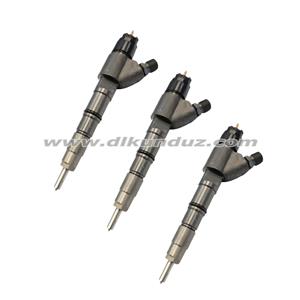
Inspect and clean the fuel injectors to ensure proper fuel atomization and delivery.
Check the ignition system for faulty spark plugs, ignition coils, or ignition timing issues.
Verify that the air intake system is free from restrictions and the air filters are clean.
Inspect the engine's sensors, such as the mass airflow sensor or oxygen sensor, for potential faults.
3. Overheating
Check the cooling system for proper coolant levels and circulation.
Inspect the radiator for debris or obstructions that may hinder airflow.
Ensure the water pump is functioning correctly and the thermostat is opening and closing as needed.
Verify that the engine's fan or fan clutch is operating properly to provide adequate cooling.
4. Excessive Smoke
Blue Smoke: Check for worn piston rings or valve seals that may be causing oil consumption.
Black Smoke: Inspect the air intake system and filters for blockages or fuel system issues such as improper fuel-to-air mixture.
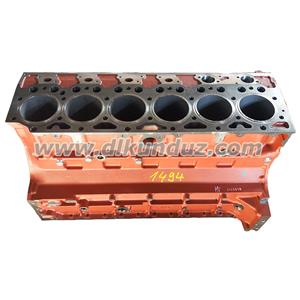
White Smoke: Verify the coolant levels and inspect the cylinder head gasket for leaks or failure.
5. Loss of Power
Check for clogged fuel filters or restrictions in the fuel system that may reduce fuel supply.
Inspect the air intake system for obstructions or dirty air filters that may limit airflow.
Verify that the turbocharger, if equipped, is functioning correctly and providing adequate boost pressure.
Ensure there are no exhaust restrictions or issues with the exhaust aftertreatment system.
If you encounter difficulties or are unsure about the appropriate solution, Would you like to speak to one of our customer service representatives today? We would be happy to answer any questions you have.